When Misogyny Is the Point
A reflection on contempt, credibility, and the women I never thought I’d defend
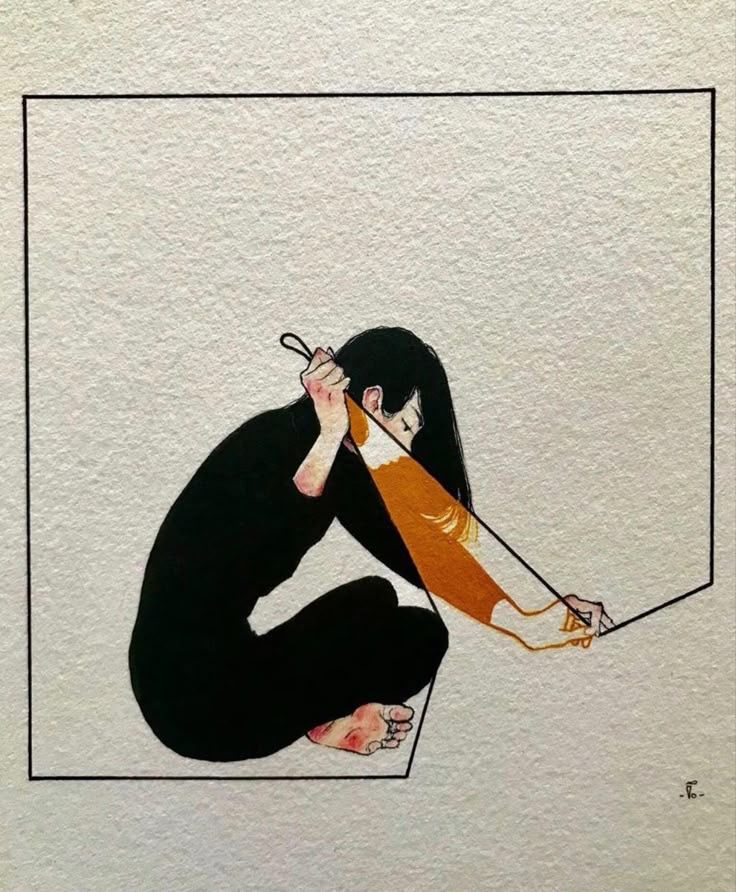
I never thought I’d be defending women like Pam Bondi or Marjorie Taylor Greene. Like, ever.
Their politics violate nearly everything I believe in or love. They’ve championed policies that discredit survivors, devalue queer lives, uphold white supremacy, and treat dissent as deviance. They’ve mocked science, minimized systemic racism, and made cruelty look like strength.
I know these women likely would not defend me. They’ve publicly supported policies designed to silence or criminalize people like me. And still, I will not stay silent while they are reduced to misogynistic spectacle. Because what I’ve seen lately isn’t political critique. It’s gendered degradation. And no one’s pretending otherwise.
In the past few weeks, I’ve seen elected women publicly called slurs, not for what they’ve done, but for who they are. I’ve seen a woman’s choice of bathing suit used as a shortcut for character judgment. I’ve seen “crazy” deployed not to challenge ideas, but to disqualify the person behind them.
That’s not debate. That’s discipline. It’s a warning aimed at every other woman watching.
It sends a clear message: a woman’s credibility is always conditional. Her authority is always provisional, granted when she stays agreeable and revoked when she doesn’t. And the quickest way to strip it all away is to make her ridiculous. Not for what she’s done, but for taking up space while being a woman.
To defend these women is not to endorse them. It’s to name misogyny even when it flatters our disgust. Misogyny doesn’t become less corrosive when aimed at someone we already dislike. It becomes easier to excuse. It can start to feel like justice when it is actually punishment.
Philosopher Kate Manne reminds us: misogyny isn’t only about hatred. It’s a control mechanism. It punishes women who don’t stay small, who fail to be pleasing, deferential, or quiet enough (Manne, 2017). And what sends that punishing message faster than calling a woman crazy the moment she dares to speak? What discredits more efficiently than sexualizing her, then dismissing her?
None of this is new. It’s just more visible now.
And when it plays out in comment sections and headlines, when it’s laughed at behind closed doors or left unchallenged by people in power, it teaches something dangerous. That a woman’s personhood is always on trial. That her authority is only as secure as her fleeting likability. That contempt is an acceptable form of critique as long as we find her distasteful enough.
Philosopher Miranda Fricker calls this testimonial injustice, the systemic dismissal of someone’s credibility based not on what they say, but who they are (Fricker, 2007). Most women know how that feels. And for those of us who’ve lived through it, we know exactly what it costs. We’ve told the truth and been called delusional. We’ve spoken plainly and been told we were unwell. We’ve championed decency and had our character dismantled.
It’s easy to feel superior to women like Bondi or Greene. But what’s happening here isn’t critique. It’s containment. Contempt is now masquerading as analysis. Misogyny has learned to perform virtue.
Cultural theorist Sara Ahmed calls this non-performativity, the way institutions and individuals perform outrage without shifting the conditions that allow harm to thrive (Ahmed, 2021). They name the problem, but they don’t interrupt it. They call it inappropriate, but they don’t do anything to stop it.
We are living through a cultural moment that is both relentless and defining. The stakes are high and the future is watching.
I’m not defending these two women because I agree with them. I don’t. I’m defending them here, in this moment, because we understand how misogyny moves. And we know who it comes for next.
Misogyny doesn’t wait for our permission. It doesn’t pause for our discomfort. It spreads quietly at first, then openly, until the line between justice and humiliation disappears altogether.
Staying silent now only smooths the path for what’s coming. Because what we tolerate becomes habit. And what we habitually ignore becomes precedent.
Our children, our collective future, are watching this. Being shaped by this. They’re learning what happens when a woman speaks too clearly, takes up too much space, or wears the wrong thing. And they are already beginning to understand that when it’s their turn, no one may come to defend them.
We cannot let that be the lesson. Not in our discourse. Not in our communities. Not in the culture we pass down.
If we want to raise children who believe dignity is possible, for themselves and for others, we have to show them what it looks like in practice. That means defending humanity even when we disagree. Refusing contempt even when it’s convenient. And doing the quiet, relentless work of repairing the damage we’ve already allowed.
Sources
(Manne, 2017) Manne, K. Down Girl: The Logic of Misogyny. Oxford University Press.
(Fricker, 2007) Fricker, M. Epistemic Injustice: Power and the Ethics of Knowing. Oxford University Press.
(Ahmed, 2021) Ahmed, S. Complaint!. Duke University Press.