The Uniquely American Art of Being Underfoot: What lawful civic engagement actually looks like
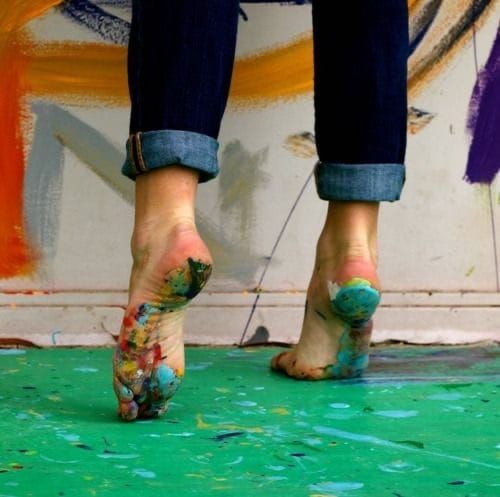
Being “in the way” is one of the most American things we do.
We are not a subtle people. We’re loud. We take up space. We stand a little too close to the process and ask what’s happening, ideally with care, consistency, and attention at each step. We ask who decides. We ask who benefits. We ask who carries the cost when things go sideways. And when the answer’s fuzzy or nonexistent, we don’t quietly move along. We follow up. We circle back. We sit through the meeting and reserve our seats for the next one.
Our nation has been, is now, and will continue to be shaped by people who refuse to step aside. By people who stay underfoot long enough to be noticed. By those who insist on understanding what’s being done in our collective name. Not to cause a scene or disrupt for disruption’s sake, but to ensure that the systems and institutions intended to serve the public actually feel the steady, lawful presence of the people they were built to serve. We are, at our best, gloriously underfoot.
Being underfoot doesn’t mean being reckless or antagonistic. It means refusing to settle into the comfortable distance that lets harm happen without witness. It means staying where the steps are counted and decisions are made, while calmly and respectfully saying: ‘we’re paying attention to this’. Underfoot doesn’t mean yelling or obstructing. It means maintaining proximity. It means not disappearing when disappearing would make cruelty easier to sustain.
So here’s a reminder of how communities can lawfully, visibly, and effectively stay underfoot. Not by breaking laws, but by insisting they’re followed carefully, proportionally, and transparently.
Normalize visible welcome
Display signs, flags, or decals in your windows or on your lawn that say simple things.
-“We welcome immigrants.”
-“Families belong together.”
-“You are not alone.”
It may look like just a window decal, but it also makes cruelty harder to hide and isolation harder to sustain, while remaining peaceful and lawful.
Ask boring questions in writing
Communicate with your city council, school board, sheriffs’ office, or other public agencies in writing whenever possible.
Ask things like:
What are the established best practices?
What data is shared?
What safeguards are in place?
Anywhere that fills seats via public vote is also a place where procedural questions belong. Bureaucracy doesn’t love being examined under a microscope, and paper trails have a useful habit of introducing care, accountability, and pause where harm might otherwise move quickly and unseen.
Be where the minutes are
Attend city council meetings. Budget hearings. School board debates. Ask simple, good-faith questions on the record.
Questions like:
How does this affect immigrant families?
Who’s accountable when harm occurs?
What does this communicate to our community?
Being underfoot means being present where memory gets written down, and ensuring that decisions, and objections to those decisions, are preserved accurately.
Redirect resources locally
If you have resources to spare, use them with intention.
-Have date night at that immigrant-owned restaurant in your neighborhood.
-Support bond funds, legal defense funds, or mutual aid groups doing transparent, community-based work.
Being underfoot doesn’t require a megaphone. It only requires presence and care.
Be boring, gentle, and immovably persistent
Send the same respectful email once a quarter.
-Ask for relevant updates.
-Ask for timelines.
-Ask who’s responsible for which step in the process.
Underfoot presence isn’t dramatic or harassing. It’s gently cumulative.
Offer practical help
-Walk your neighbor’s kids to school along with your own.
-Offer accompaniment to appointments or errands.
-Help with paperwork.
Underfoot solidarity is calm, relational, and effective.
Use your voice where others are punished for using theirs
If you happen to belong to a currently non-targeted community, use that privilege responsibly and constructively.
-Write op-eds.
-Call your representatives.
-Host letter-writing campaigns.
It is crucial that those who aren’t directly targeted communicate plainly and repeatedly, I oppose this.
Interrupt the narrative, not the street
-Correct misinformation calmly.
-Refuse to utilize or tolerate dehumanizing language.
-Say the clear thing without historionics or escalation. “This harms families.” “This isn’t acceptable.” “This isn’t who we are.”
And above all, remember what you’re allowed and encouraged to do: participate in our democracy
Being underfoot doesn’t mean breaking laws. It means refusing to make cruelty easily accomplished. It means insisting that decisions be made, and enacted, carefully, visibly, and on the record.
None of this is new or radical. It’s basic civic participation. It’s our charge, and our privilege, to remember that this democratic experiment only functions when we participate, educate, and advocate for, and alongside, one another.
Together.