The Long Game of Hope
Reflections from the In-Between
It’s a strange thing living between what is and what ought to be.
You learn to live with the ache of it. You hold your breath a little and scan the horizon for signs that the world might still bend toward something better. That space between what‘s real and what‘s possible starts out sharp, almost unbearable. Over time it softens. It settles into you. Eventually, it becomes the quiet architecture of your life.
We learn to function inside that tension. We call it maturity, realism, faith. To me, it feels more like the slow, persistent weight of hope. Hope that things can still be mended and goodness is still worth choosing. Hope isn’t light. It doesn’t arrive gently or easily. It isn’t made of wishful thinking. It’s made of decision, grit, and risk. It‘a forged in disappointment and carried forward with fierce, unsentimental, exhausting love.
A few years ago, I found myself staring down a decision I had tried to outrun for years. One of those dreaded, monumental moments that splits your life into a before and an after. I had prayed, rationalized, avoided, second-guessed, adjusted, and prayed again. I built spreadsheets, made pro and con lists, lost sleep, lost weight, even lost my hair. I tried to logic my way to clarity, to carve a clean, bloodless answer. Eventually, as difficult decisions tend to do, it cornered me.
The decision was pathetic in it’s simplicity: do I risk disrupting everything for the sake of what is true, or do I keep things seemingly peaceful by staying quiet?
Either path would shape my children. I couldn’t pretend otherwise. If I chose to stand and speak, to name what was wrong, I would be risking everything familiar. Not only for myself but for them too. If I stayed quiet, I would be handing them a legacy of silence, shrinking, and complicity dressed up as love.
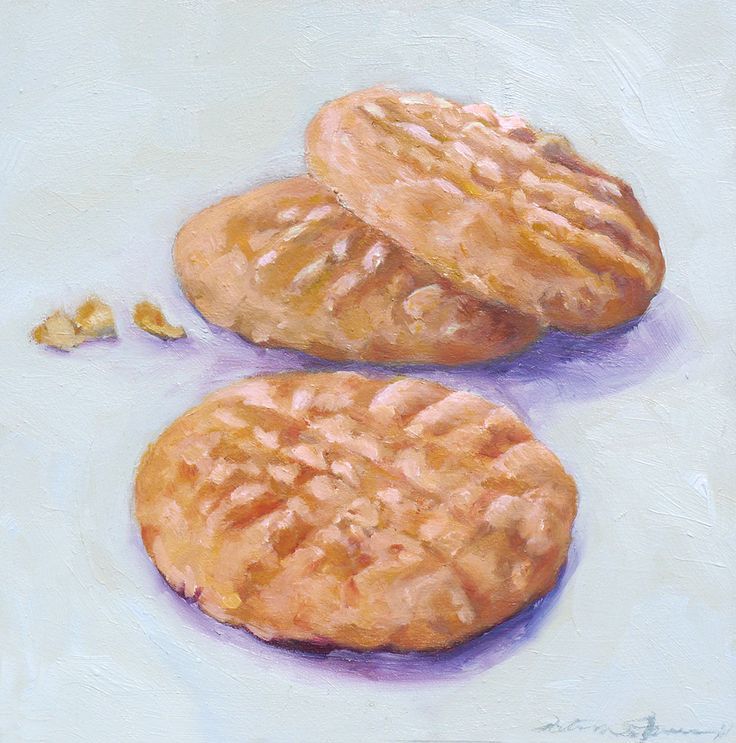
My answer came in a mess I hadn’t planned. My children, eleven and nine at the time, had attempted to recreate their grandmother’s famous peanut butter cookies sans adult supervision. The kitchen was demolished. Butter was smeared on every child-height surface. The dog was covered in flour. Jam jars full of milk were sweating permanent rings into the coffee table. Something was definitely smoking in the oven. They were laughing, their crumb-covered cheeks flushed pink, dark eyes bright with mirth, and completely unbothered by the wreckage around them.
There it was, my answer, beaming underneath cookie crumbs, laughter, and a flour-covered dog. The kingdom was right there in the wreckage.
This was what I needed to protect. Not peace as the absence of conflict but peace as the presence of belonging. Not the cleanliness of control, but the fragile, sacred joy of people who feel safe. Not the idea of a good life, but the real thing: flour-dusted, sticky-handed, wrapped in giggles and glowing with warmth.
My decision had already been made. Not easy, but obvious.
Of course I would stand and speak. Not for spectacle or vindication but to do my part in building a world where this kind of unguarded joy doesn’t have to be rationed. A world where children never have to trade silence for safety, where love doesn’t require contortion, where truth doesn’t exile you from the table.
Hope, I realized, wasn’t the reward. It was the reason. It would come at a cost, the way it always does.
Hope asks us to keep showing up after the first wave of idealism breaks, to stay when the work slows, to hold the line for something good even when no one sees you doing it, to speak when the room prefers silence, to love what‘s fragile. It asks us to believe that faithfulness matters even if no one claps. That’s the long game. It doesn’t promise triumph. It promises integrity.
There are still days I want out. Days I wonder what might have happened if I had chosen the quieter path, the seemingly easier path. But then I hear my children laughing or watch them stand a little taller than they used to. And I remember what it felt like to live inside the silence and know exactly why I’m still here.
Hope didn’t spare me the wreckage of truth. Hope gave me another reason to keep walking through it.