Dead Moms Club
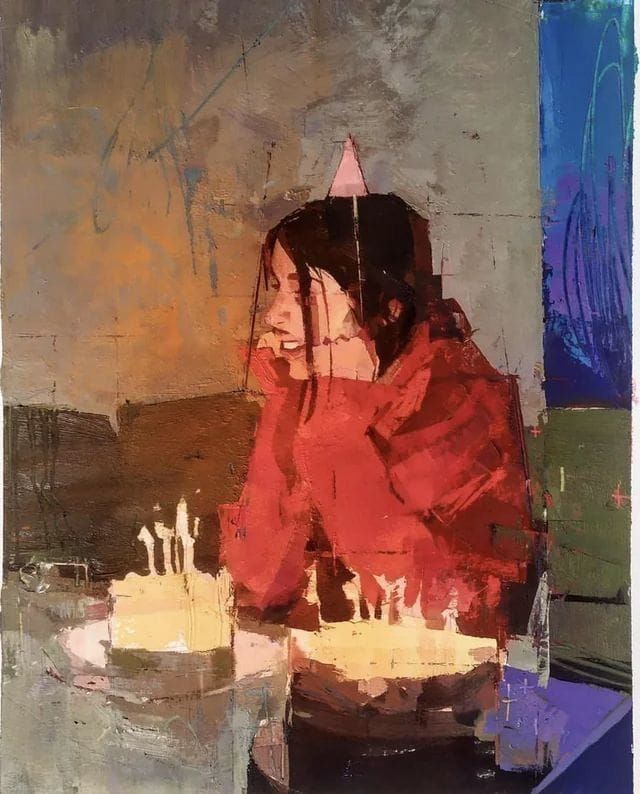
The winter my mom died, everything went quiet. I was a sophomore in high school and still believed terrible things came with some kind of warning. They didn’t.
But this isn’t about grief in those first raw hours. It’s about what came later, the next fall, when I started my junior year and began to see how many of us were walking through the same silence alone.
When school started again, I heard about another student whose mom had died over the summer. We didn’t have any classes or activities together, so I never had the chance to say hey, me too, you can talk to me if you want to.
A few weeks later, during rehearsal for the fall play, I saw a freshman boy curled in on himself in a sweater two sizes too big. He had the same empty, terrified, haunted look that stared back at me from every mirror. I introduced myself and learned his older brother had just died unexpectedly. In that moment, I stopped caring what was typical or polite. There were too many of us going through the same thing in isolation, and it wasn’t helping anyone.
So I asked my French teacher if a few of us could use her classroom after school for a club of sorts, something where we could be with other teenagers who knew what we were living through. Not just the grief, but the uncertainty. Would we end up in foster care? Would we be emancipated? Would we even have a home to go back to once the funerals and estates were settled?
Madame said yes, and the “Dead Moms Club” was born.
Other than proving I should never be in charge of naming anything, one thing had become perfectly clear: people don’t need permission to care. They just need a place to start.
The boy from play practice and I raided the art room for markers and poster board. We made a few understated signs, and our first meeting drew a small handful of people. Kids from different circles and backgrounds, all of us carrying the same kind of wound. Each week one or two more showed up until all twenty-one desks in Madame’s room were full.
We didn’t have a counselor or a plan. This was a time before mental health was something people talked about, especially in a high school. As the year went on, we learned to lean on one another. You don’t notice all those crucial little moments of growing up until you’re standing in front of them with no one beside you. Shopping for prom dresses, learning to tie a tie, first loves, first heartbreaks. We couldn’t fill the space left by those who’d gone, but we could stand next to each other, knowing each of us understood how surreal it all felt.
I’ll never forget when one of the guys shared that he couldn’t bring himself to learn how to shave. His dad had promised to teach him after a business trip, but only his dad’s ashes made it home. In our teenage brilliance, we smuggled a few cans of Barbasol and pink Bic razors to school and held that week’s DMC meeting in the third-floor girls’ bathroom. We all tried and mostly failed to shave our faces, whether we had budding whiskers or not. I think we lasted five minutes before we were doubled over laughing.
Through the DMC, we clumsily and earnestly did our best to share what we knew with each other, knowing there was no fixing what had broken in our lives. But at least our small, awkward efforts were better than the hollow refrains of “If you need anything” from people who meant well but chose not to show up when it mattered.
We couldn’t change what had happened to us, but we could decide what came next.
We showed up. We sat together. We laughed in bathrooms and cried in hallways and tried, however clumsily, to make the unbearable a little more livable.
Looking back, I think that was the point all along. Having the courage to reach for someone else’s hand when your own world has fallen apart. And keeping the hope that someone will reach out for yours.